

The pistol dynamics course is designed to do a few different things. Number one, it is to take the fundamentals of pistol shooting and breakdown the technique and improve each aspect of it through micro drills to improve any pistol shooters level of skill and competency. Once this is done, we put the pieces of the puzzle back together to create a very efficient technique that will be stronger yet more relaxed.
The second goal is then to apply the fundamentals and apply them to a defensive shooting aspect to not only teach but improve various aspects of basic / advanced defensive skills.
The third goal is to address how recognition and reaction play a major role in a self defense situation and also how split times can work in your advantage and how to articulate that after a use of force incident.
There will be a number of basic – advanced skill test drills that we will cover and breakdown over the 2-day period so you can have a baseline to build your skills from.
This course is not good not only for the average concealed carrier but also to help improve law enforcement shooting skills and to help them be able to understand in at a deeper scientific level of use of force standards.
This course will help you not only increase your speed but also your accuracy.
This course will be led by Brandon Fisher our chief instructor who has an extensive background in martial arts which is where the concepts for body structure (skeletal alignment) and body mechanics comes from. Brandon is also a certified Force Science Certified Analyst which is where the studies and theory on reaction time come from.
This course will challenge not only your physical shooting skills but your mental awareness. Note this is not a learn-to-shoot course; it is a course to help those who have a handle of the basic fundamentals to take their skills to a new level. Novice and advanced skilled people will benefit from this course.
Course Goals
Increase the students marksmanship skills, based on competent and efficient technique
Speed vs. accuracy
Explain multiple split times and knowing your average in case you have to use your firearm
Explain why reaction time and draw is so important
Introduce advanced defensive shooting concepts
Apply firearms safety in a practical application not just on the range
Talk about range theatrics vs. practical application
Mental Focus
Importance
Japanese Concept Of Mushin
Japanese Concept Of Zanshin
How it applies to pistol shooting
Efficiency
How to achieve it
Breaking The Technique Down
Building Neuro Pathways To Help Increase Reaction Time
Develop Relaxed Technique / Minimal – No Tension In the Body
Improving Your Skill
Improving your speed
Body Structure
Stance
Grip
Importance
Strength
Structurally Sound Technique
Drawing The Gun
From Strongside
Fig Leaf
Defensive Posture
One Handed Draw
Off Hand Draw
Open Position
Concealment
From Appendix (Our preference)
Fig Leaf
Defensive Posture
One Handed Draw
Off Hand Draw
Concealment
Aiming
Natural Point Of Aim
Trusting Your Sights
Sights
Iron Sights
Red Dots
The Connection Between The Sights
Sight Picture
Flash Sight Picture
Floating Sight Picture
Precise Sight Picture
Seeing What You Need To See To Get Your Hits
Sight Alignment
Aligning Your Sights
Sights In Relationship To Your Target
Importance or the lack thereof (?)
Trigger
Smooth Vs. Jerky
Fast Vs. Slow
Accelerated
Controlled
Trigger Reset
Shooting To Reset
Cycling The Trigger In Recoil
Marksmanship
Precision marksmanship
Acceptable defensive hits
Recognition, Reaction & Response
Threat Recognition
A Furtive Movement
Visual Vs. Auditory
Pre Attack Indicators
Reaction Time
Speed Of Recognition
Speed Of Reaction

To book us is easy just follow these steps:
Have A Location For The Training
Choose Your Course Or Courses You Would Like Taught
Provide A Minimum Of 10 Paid Students
Must Have At Least 2 Days Of Training But Can Be Multiple Courses
Cost Per Student (In Person):
Cost of course is a concern both for us and those interested in training with us. Due to the increased cost of the course for us to put on hosted courses are priced differently than local courses, however it is far more affordable than one might think.
$425 per person for 3 Days Of Training (Any Combination Of Classes)
Response Speed
Draw To First Shot
Importance
How Fast
How To Generate Speed
Follow Up Split Times
Cadence Of Fire
Results
Positives
Negatives
How it can effect the outcome of the fight and the concerns with the justification of your actions
Speed Of 1 Shot On Target (Draw Practice)
Using efficient movement
No wasted movement
The BS of Slow Is Smooth & Smooth Is Fast
How to achieve a 1.5 draw to first shot or faster
The importance of a fast but accurate draw to first shot
Multiple Shots On 1 Target
Recoil Management
Tracking The Sights
How Many Shots On One Target?
Multiple Targets
Which Target First?
Threat Assessment
Which is presenting more of an immediate threat?
Tracking The Sights / Dot
Look To Where You Want To Shoot, Then Move The Gun
Eyes First (in the cycle of recoil)
Then gun
No Hesitation
Hesitation creates gaps that could cost you greatly
Don’t over confirm your sights
Target Positions / Size
Side By Side
Staggered
One Hand Shooting
Cant the gun or not
Stance
Strong Hand Only
Support Hand Only
Move And Shoot
Move side to side (shift)
Move forwards (still keep the gun in a retention position)
Move backwards
Move around objects
Retention Position Shooting
Close quarter
Firearm Retention
Target Areas
Cover & Concealment
What is cover?
What is concealment?
How far back should you be?
Angles
Minimizing your profile
When to use it?
High Risk Targets
Crowds
Hostage Situations
Moving Targets
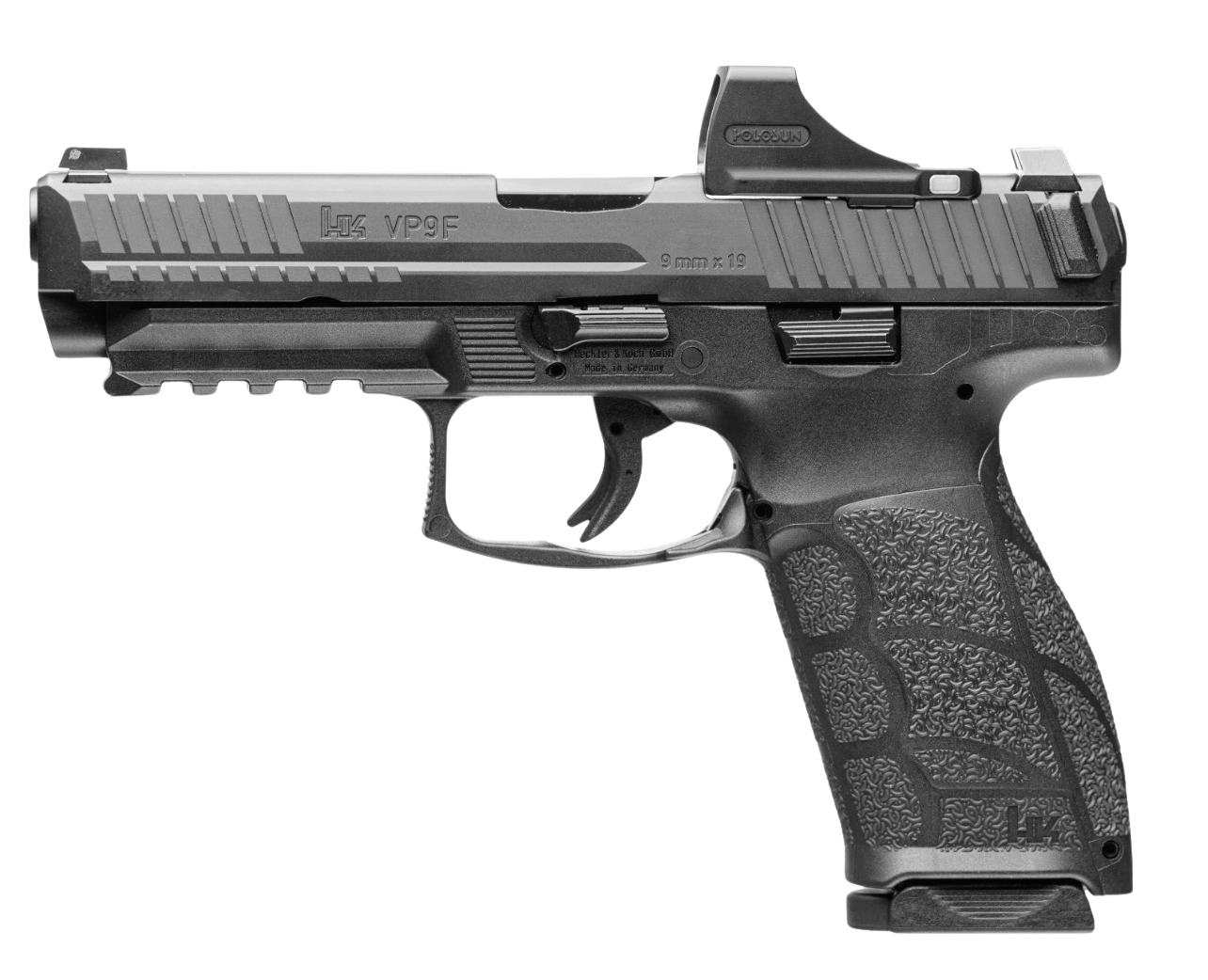
HK Pistols are available to use for this class.
Range Requirements
Minimum Of 25 Yards In Length
Target stands, Wood Supports & Backers Available
Allow For Movement & Holster Draw Technique
Have An Available Classroom
We will provide targets
Locations We Will Not Teach In Do To The States Firearms Laws:
California
Connecticut
DC
Illinois
Maryland
Massachusetts
Minnesota
New York
New Jersey
Rhode Island